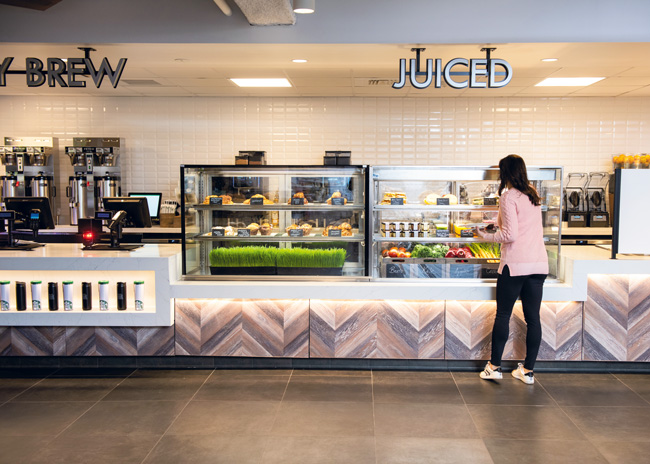
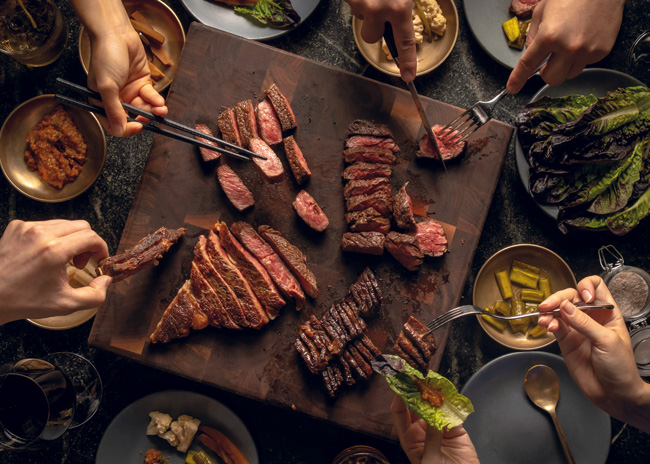
Piggybacking on the success of meal kits delivered to homes, many restaurants added meal kit variations to carryout menus as a revenue driver in the last 18 to 24 months.
Piggybacking on the success of meal kits delivered to homes, many restaurants added meal kit variations to carryout menus as a revenue driver in the last 18 to 24 months.
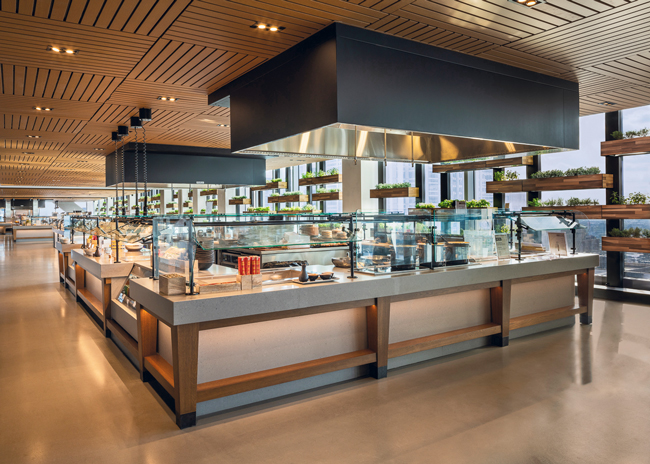
There’s a strong possibility, foodservice designers say, that the servery of the future won’t look exactly like it does today.

One restaurant operator segment well-positioned to weather challenging conditions, including economic downturns and even a pandemic, is pizza. This food’s popularity shows no signs of waning as its variety of toppings, crust options and formats continues to keep pace with consumer trends and demand.

September is National Food Safety Month. And, well, energy efficiency is always in season.
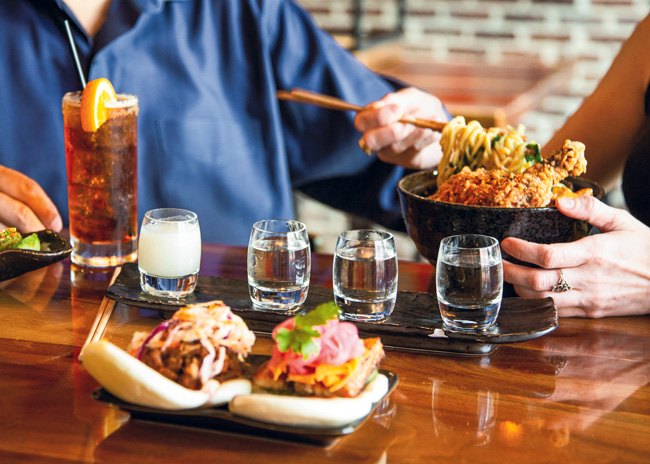
Bars and restaurants continue to incorporate unique and specific glassware in response to the burgeoning demand for high-end cocktails and spirits.
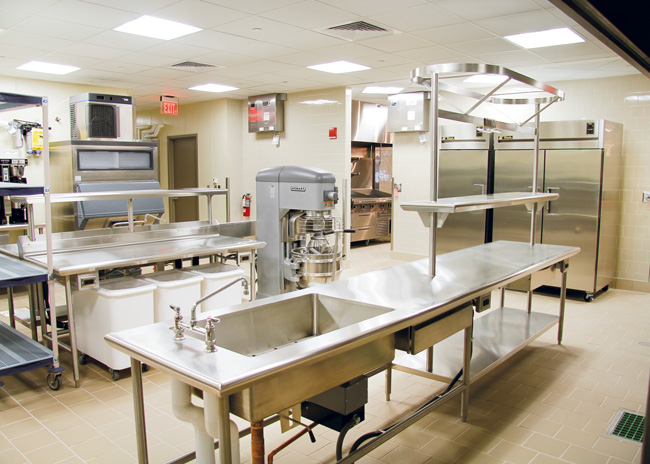
Effective equipment placement can mean the difference between a kitchen that works well and one that just works. Outside factors such as available square footage, hood placement and utility connections will often define equipment placement, but placing equipment in the most logical and useful location can lead to a more effective back-of-the-house operation.

One strategy that operators use to attract new customers and satisfy existing ones is changing their menus. They might add a new item or introduce a new, trendy preparation. Or they might switch to an entirely new cuisine. The question is: How do these changes affect the back of the house? Does the kitchen have to adapt to produce the new features?

Serving equipment like steam tables are essential to all sorts of operations, from buffets to fast-casual concepts that hold high-quality cooked proteins for quick assembly. This equipment isn’t managed as actively as a grill or oven, but it still needs to be cared for by restaurant staff. Here are a few tips for keeping steam tables running smoothly.
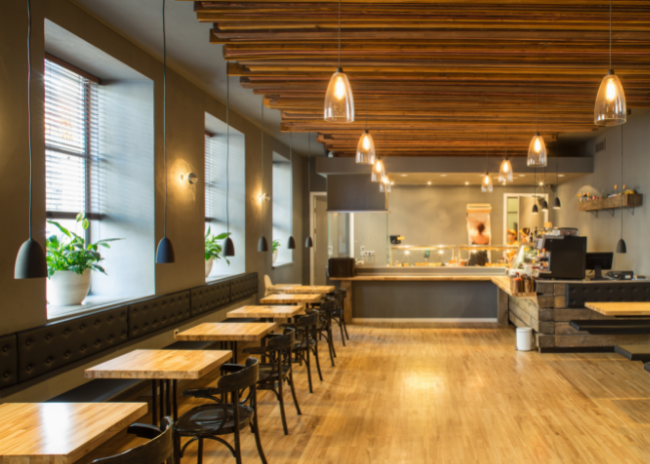
Unfortunately, and as expected, the pandemic led to the closure of many restaurants. Practically speaking, though, that means when looking to add stores or even open their first units, operators can choose from many second-generation restaurant spaces, including some highly desirable locations.
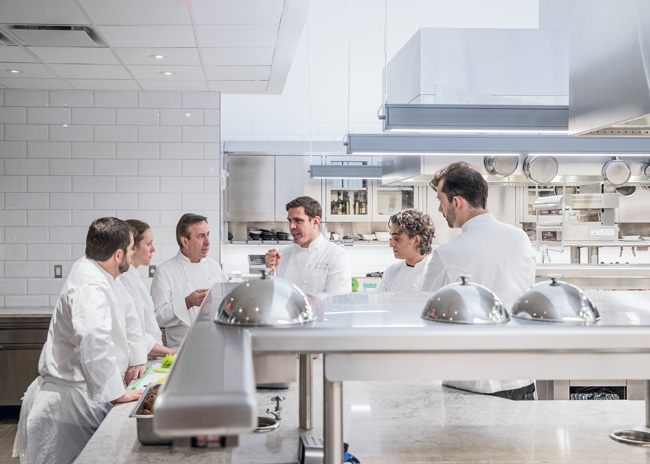
While there may be a more relaxed dress code and fewer white tablecloths at fine dining establishments today, the quality of service and the menus remain in the upper echelon of dining.
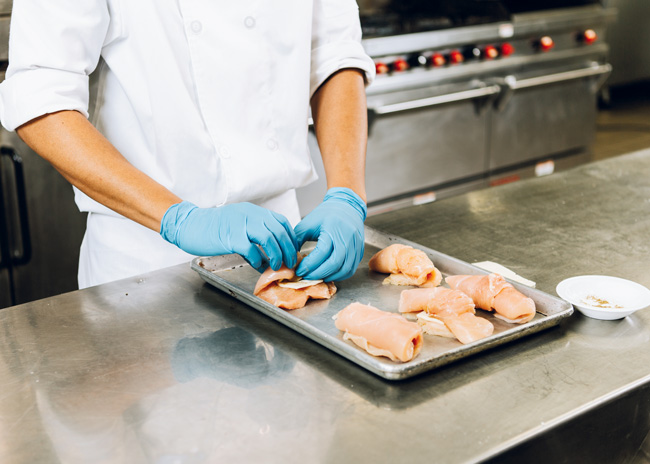
The last year and a half put the spotlight on food safety and sanitation like never before. Even though it was quickly discovered surfaces were not a COVID-19 spreader, the pandemic made everyone hyperaware of cleanliness. Yet cleaning and sanitation represent but one part of any comprehensive food safety program.
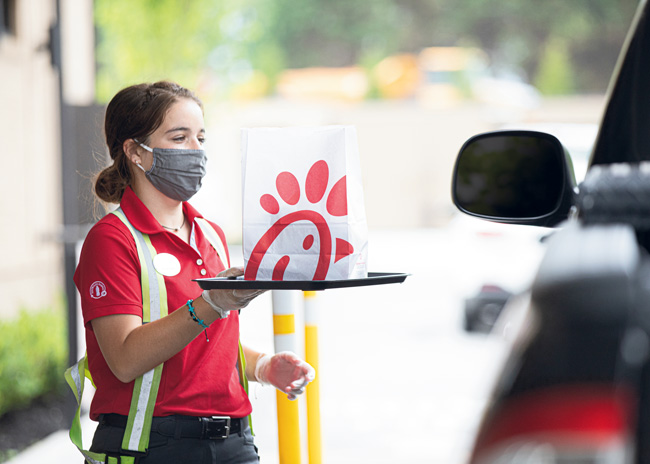
Brands continue to redesign their exterior pickup approaches with speed and better service in mind.
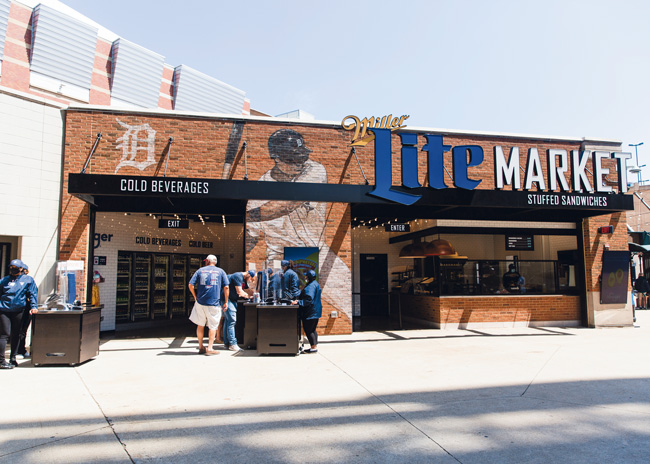
Frictionless service and market-style models are fast becoming concession norms.

Ghost kitchens continue to change the foodservice landscape, allowing concepts to fill in their footprints and move into areas that may not otherwise be viable via brick and mortar locations. Seeing an opportunity, many ghost kitchen operators have seemingly appeared out of nowhere to rent kitchen space not spooked by this new opportunity.

In the foodservice industry, everything hinges on sanitation and safety; this has been brought even more to the forefront during the COVID-19 pandemic. According to the CDC, nearly one in six individuals gets sick from foodborne illness because of poor food safety, with 128,000 hospitalizations and 3,000 deaths from foodborne diseases each year.

Foodservice Equipment & Supplies is the longest-running publication serving the decision-makers of the nearly $15 billion E&S industry.
View current digital issueWant to receive a FREE subscription to Foodservice Equipment & Supplies?
Subscribe to magazine

Foodservice Equipment & Supplies (FE&S) is the one media source that connects equipment and supplies manufacturers and service providers with the full distribution channel including news, trends and best practices for foodservice equipment dealers, specifiers, operators, and supply chain partners.