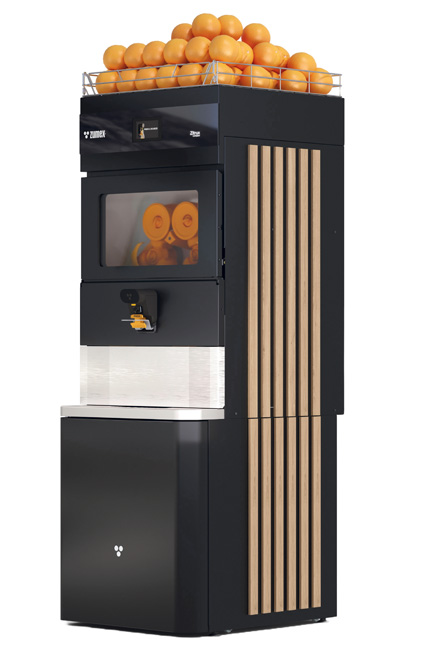
An increasing number of foodservice operations now take advantage of freshly squeezed juice on its own or as part of a breakfast, specialty beverage, cocktail or smoothie program due to the potentially high profit margins offered by these on-trend products. For this reason, commercial juicers are becoming more commonplace not only in quick- and casual-service restaurants but also in higher-end establishments with upscale bar menus. Operators can choose from various commercial juicing equipment, depending on their needs.
When choosing a juicer, anticipating volume is critical. Operators can choose from a variety of juicers, depending on the application, speed of service needed and beverage type being created. Operators also need to determine what type of foods they will use as some juicers handle leafy greens and vegetables better than others.
Service Agent Q&A: Doug Thompson, office manager at Jones-McLeod Inc., Birmingham, Ala.
Related Articles
-
What to Consider When Purchasing Immersion Blenders
Read FeatureImmersion blenders, or stick mixers, come in several different sizes and types. Keep in mind the longer the shaft, the more stress will be put on the components. That means sizing represents a key consideration with this equipment.
-
What to Consider When Purchasing a Breader
Read FeatureBreaders are a good option for higher-volume operations that want more breading control and higher-efficiency production. There are a number of food applications for these units, including chicken, onion rings or blossoms, and vegetables that are battered, breaded and fried.