Cutting corners on foodservice equipment may save money upfront, but hidden costs, downtime, safety risks, and performance issues quickly add up. Learn why investing in quality equipment protects your operation in the long run.
Key Takeaways
- Hidden costs accumulate slowly but add up over time
- Breakdowns and downtime reduce profitability
- Inefficient equipment drives up utility bills
- Total cost of ownership offers the most accurate value comparison
- Poor equipment performance affects food quality
- Lower-grade equipment can compromise safety and compliance
Understanding Cutting Costs
Operators cut equipment spending for various reasons, such as slow business periods, quickly replacing sudden equipment failures, or simply because a short-term solution can be cheaper. This can temporarily fix a problem, but it can also incur hidden costs.
Hidden costs don't necessarily factor into an operator's budget, but they appear over time. These can manifest in inconsistent equipment performance, unnecessarily high utility bills, premature failures, and frequent service calls. While these costs aren't immediate, they can steadily chip away at profits.
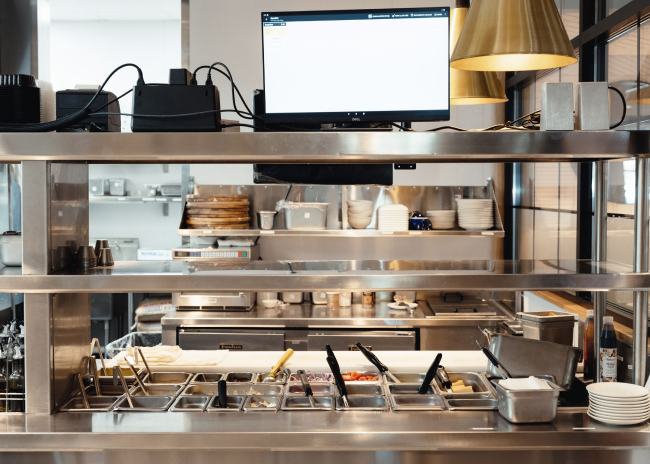 Reliable equipment reduces downtime and protects productivity—proof that low upfront prices rarely equal real savings.
What Hidden Costs Actually Include
- Lost productivity due to inconsistent performance
- Lost inventory due to temperature issues
- Higher utility usage
- Early equipment replacement
- Increased downtime
- Extra labor requirements
- Greater risk of safety or health code violations
Long-Term Impact of Short-Term Savings
- Service speed
- Labor efficiency
- Food quality
- Energy consumption
- Equipment reliability
Quality vs. Cost: A False Economy
A lower upfront cost rarely translates to lower lifetime spending, since equipment costs don't end at the point of purchase. Often, budget models demand more frequent service, use more energy, and wear out faster. This strain shows up in daily operations, as long recovery times, inconsistent temperatures, and unreliable components affect both employees and customers.
“A low price doesn’t mean you’re saving money—it usually means you’re delaying the moment you realize what it actually costs.”
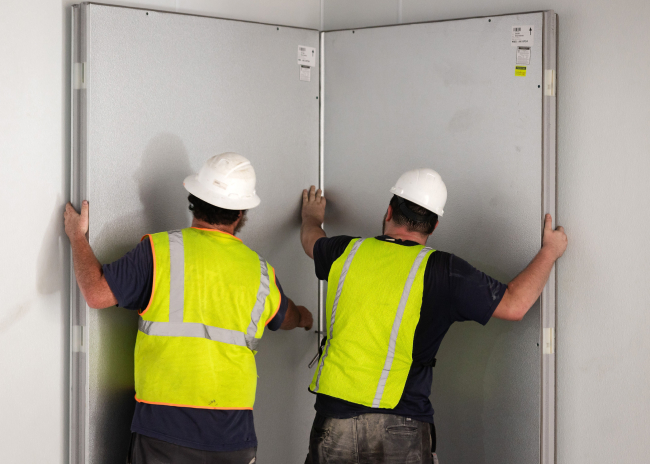 Operators who prioritize long-term value over short-term savings benefit from better performance, fewer repairs, and extended equipment life.
– KaTom Equipment Specialist
Why Upfront Price Can Be Misleading
- Shorter lifespan
- Frequent service needs
- Slower recovery times
- Higher energy usage
- Inconsistent performance
Short-Term Savings vs. Long-Term Cost
While the initial cost of budget equipment is cheaper, it's actually more expensive when the hidden costs of frequent repairs, inefficient energy use, and quicker replacement are factored in. Slower performance, inconsistent product quality, and unexpected downtime impact revenue in daily operations. Operators looking for heavy-duty solutions can review KaTom's restaurant equipment and refrigeration options built for long-term, consistent performance.
| Purchase Type | Upfront Cost | Typical Lifespan | Long-Term Impact |
|---|---|---|---|
|
Budget Equipment |
Low |
3 to 7 years |
High repair frequency, downtime, early replacement |
|
Mid-Grade Equipment |
Moderate |
8 to 12 years |
Balanced cost and reliability |
|
Heavy-Duty Commercial Grade |
High |
12 to 15 years |
Lower lifetime cost, stable performance, fewer repairs |
Maintenance and Downtime: The Ripple Effect
Downtime is more than just a singular event; it reverberates throughout an operation. When a critical piece of equipment fails, workflows stall as staff must reroute tasks or improvise other methods. This creates pressure on your workers and frustration for guests who experience longer ticket times, limited menu options, or subpar meals.
Average Downtime Cost by Operation Type
| Industry Segment | Estimated Loss Per Hour |
|---|---|
| Full-Service Restaurant | $300 to $1,200 |
| QSR | $200 to $700 |
| Institutional Foodservice | Losses tied to labor and service guarantees |
| Catering | Entire event delays and contract risk |
“You can spot early performance decline long before a breakdown happens. Slow recovery times, uneven temperatures, and unusual noises are warning signs. A proactive maintenance plan turns those early signals into action before they become downtime.”
– KaTom Equipment Specialist
Safety and Compliance Risks
Equipment quality plays a direct role in workplace safety and regulatory compliance, so cutting corners can affect worker safety. Low-quality equipment increases sanitation risks as surfaces degrade, seals fail, or cleaning becomes more difficult.
Equipment built without strong safety features can also expose staff to preventable incidents such as burns and slips. Well-built equipment helps protect employee safety as much as price.
Making Informed Procurement Decisions
Determining value beyond the sticker price can be difficult because the upfront cost of items is easy to compare, but total cost of ownership provides more accurate insight. KaTom's guides on choosing restaurant equipment can help operators factor total costs for purchases.
Building a Reliable Supplier Relationship
A reliable supplier does more than just sell equipment; they deliver stability, confidence, and long-term support. Whether an operator is deciding between budget, mid-grade, or heavy-duty models, KaTom's specialists understand each category and can recommend exactly what you need. Their product knowledge helps operators go beyond basic price comparisons.
KaTom excels at matching equipment to each operation's menu style, production volume, staffing model, and service environment.
 A strong supplier relationship ensures you’re choosing equipment that matches your operation’s needs, not just its initial budget.